
Police and Crime Commissioner reform

Last month, the Government brought forward major reform of the police service. They had already announced plans to abolish Police and Crime Commissioners, with their responsibilities transferred to Mayors or Strategic Authorities—a move I welcome, as it should strengthen accountability.
Residents frequently raise concerns about crime and policing with me and with local councillors, yet we currently have very limited opportunities to challenge PCC priorities or speak directly with senior police officers.
The Government has now also indicated that the number of police forces may be reduced from 43 to as few as 12. While details are still unclear, any change that genuinely reduces bureaucracy and increases the number of police officers and PCSOs on our streets would be welcome. However, without further information, I am concerned that the needs of local communities could be overlooked if decisions are made from even further away than they are now.
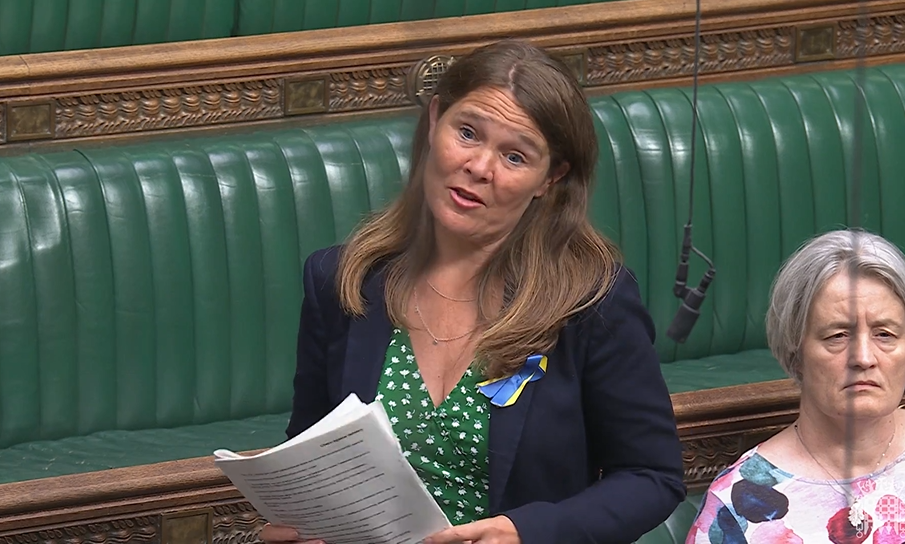
The Home Secretary also announced plans for a National Police Service to handle serious crime, fraud and counter‑terrorism. What has not been explained is how this will be funded. As Dorset is one of the worst funded Police Forces in England, I have therefore challenged her to confirm that Dorset’s already very limited budget will not be raided to pay for this new service.
Both I and fellow Liberal Democrat MP for West Dorset Edward Morello, have repeatedly raised in Parliament that Dorset’s funding is inadequate—particularly because the huge increase in population during the tourist season is not reflected in our policing budget. This draws officers away from neighbourhoods to support high‑demand areas like Bournemouth and Weymouth. The latest funding settlement once again ignores this issue and risks a reduction in officer numbers, not the increased visibility we have been promised.
Dorset remains a safe place to live, with serious crimes relatively rare. Yet issues such as shoplifting, anti‑social behaviour and bike theft affect far more residents. These crimes often occur in areas with little CCTV and, because they are not considered life‑threatening, they tend to receive slower responses and limited investigation. As a result, some incidents are not reported at all—meaning they are neither recorded nor solved.
This is one reason I have launched my campaign for South Western Railway to install secure bike storage at all stations. I have also tabled an amendment to the Railways Bill that would require every station to provide bike facilities. Currently British Transport Police, who investigate crime on railway property, will only pursue cases where CCTV evidence or a witness is available. Last year, over 99% of bike thefts went unsolved. If we want more people to cycle to stations and take the train to work or college, they need confidence that their bike will still be there when they return.
SWR have told me that there is no case for installing bike lockers because no local campaign exists—so please sign my petition at middorsetlibdems.org.uk/petitions/keep-bikes-safe-at-stations and show them that this matters to people in Dorset.
The fear of crime—even in areas where actual crime is low—affects wellbeing, mental health, exercise, and social activity. By addressing the issues that impact people close to home, we can improve quality of life for everyone in our community.


Comments